Paver Installation in Williston Park, NY

Transform Your Outdoor Space with Expert Craftsmanship

Professional paver installation that creates stunning patios, driveways, and walkways built to withstand Long Island’s demanding weather for decades.
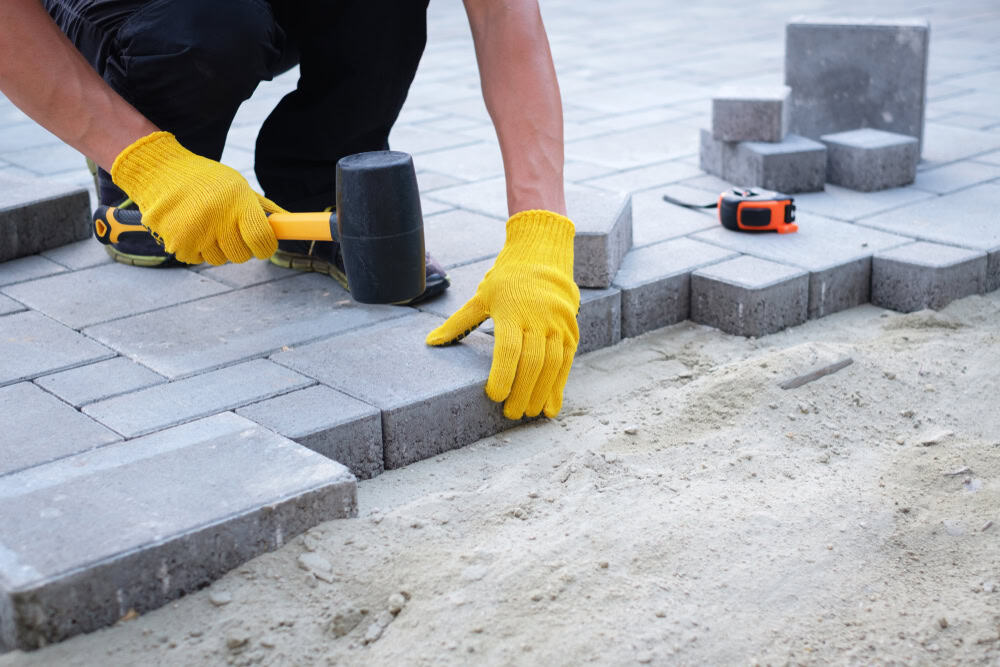
A masonry contractor Nassau County uses yellow gloves and a rubber mallet to lay gray paving stones on sand, creating a patio or walkway. Nearby, a tape measure and extra pavers are ready for use.

Hear from Our Customers

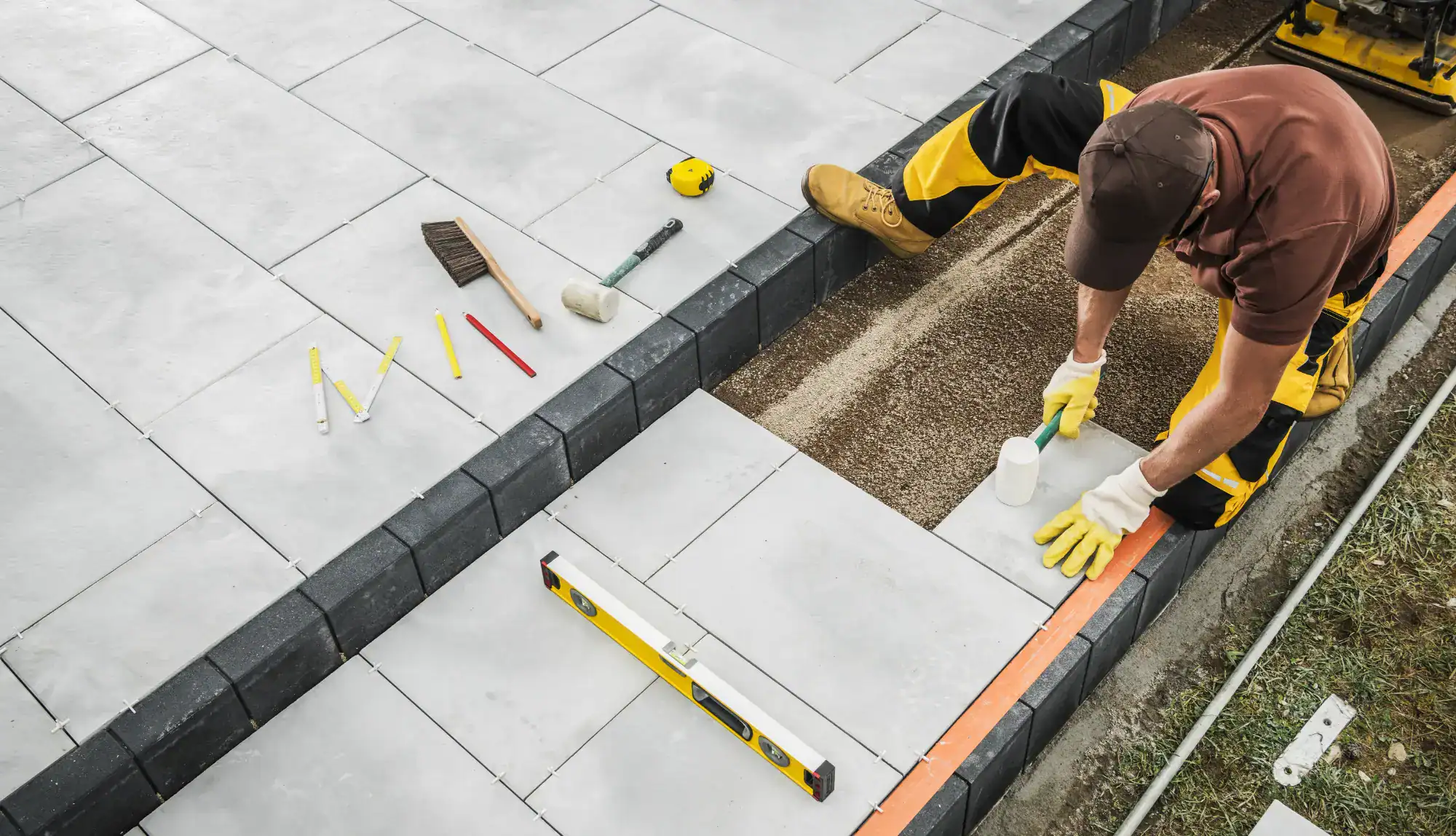
A worker wearing gloves and yellow work pants uses a rubber mallet to install concrete paving slabs, with various tools like a level, tape measure, and broom nearby—typical of a skilled masonry contractor Nassau County, NY.

Professional Paver Services Williston Park

Outdoor Spaces That Actually Last

Your backyard becomes the space you actually want to spend time in. No more avoiding that cracked concrete or dealing with puddles after every storm.

Picture stepping out onto pavers that look as good five years from now as they do on day one. That’s what proper installation gets you—surfaces that handle Nassau County’s freeze-thaw cycles, summer heat, and everything in between without cracking, sinking, or shifting.

You get outdoor entertaining space that works. Family barbecues, morning coffee, evening conversations—all on surfaces designed to handle real life while looking great doing it.

Williston Park Masonry Paver Experts

25 Years of Getting It Right

We’ve been serving Williston Park and Nassau County homeowners for over 25 years. We know what works in this climate and what doesn’t.

We’ve seen what happens when paver jobs are rushed or done with substandard materials. That’s why we take the time to do proper excavation, use quality base materials, and install edge restraints that actually hold up to Long Island’s weather.

Our clients in Williston Park trust us because we show up when we say we will, finish on schedule, and stand behind our work. No surprises, no corners cut, no coming back to fix problems that shouldn’t have happened in the first place.
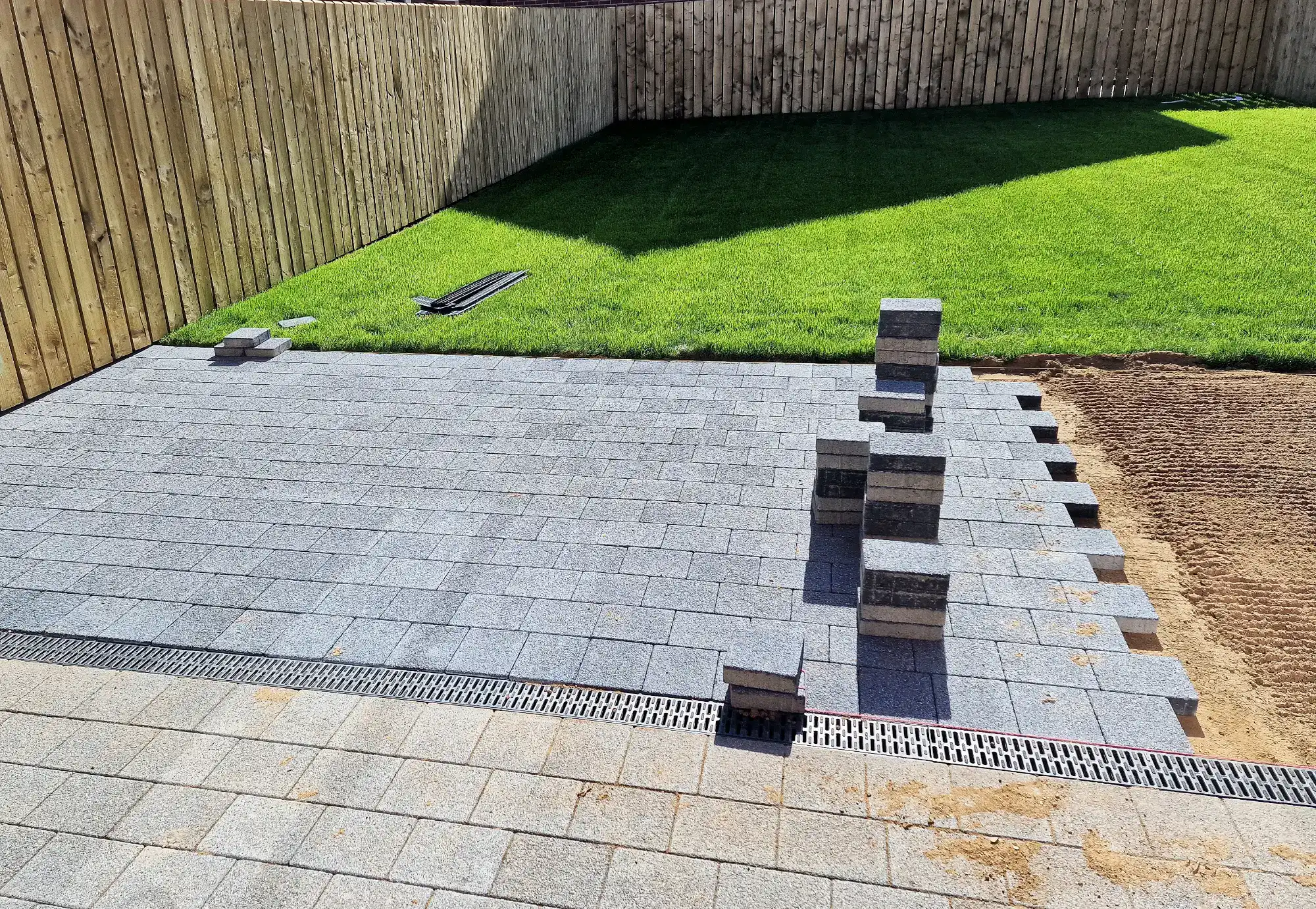
Gray paving stones being laid in a backyard by a masonry contractor Nassau County, NY, with some stacked in piles on the partly finished surface. A section of green lawn and a wooden fence are in the background. Sand and tools are visible on the side.

Paver Patio Installation Process

How We Build Surfaces That Last

First, we excavate to the proper depth—typically 6-12 inches depending on your soil and intended use. This isn’t where you want to cut corners. Shallow excavation leads to sinking pavers and expensive repairs later.

Next comes the base layer. We use compacted crushed stone, not sand or cheap alternatives. This gets compacted in layers to create a foundation that won’t shift or settle over time.

Then we install proper edge restraints—the kind that actually keep pavers in place for years, not plastic edging that fails after the first winter. We lay the pavers with precise spacing and fill joints with polymeric sand that hardens to prevent weeds and erosion.

Finally, we clean up completely and walk you through proper maintenance. You get a finished project that looks professional and performs for decades.
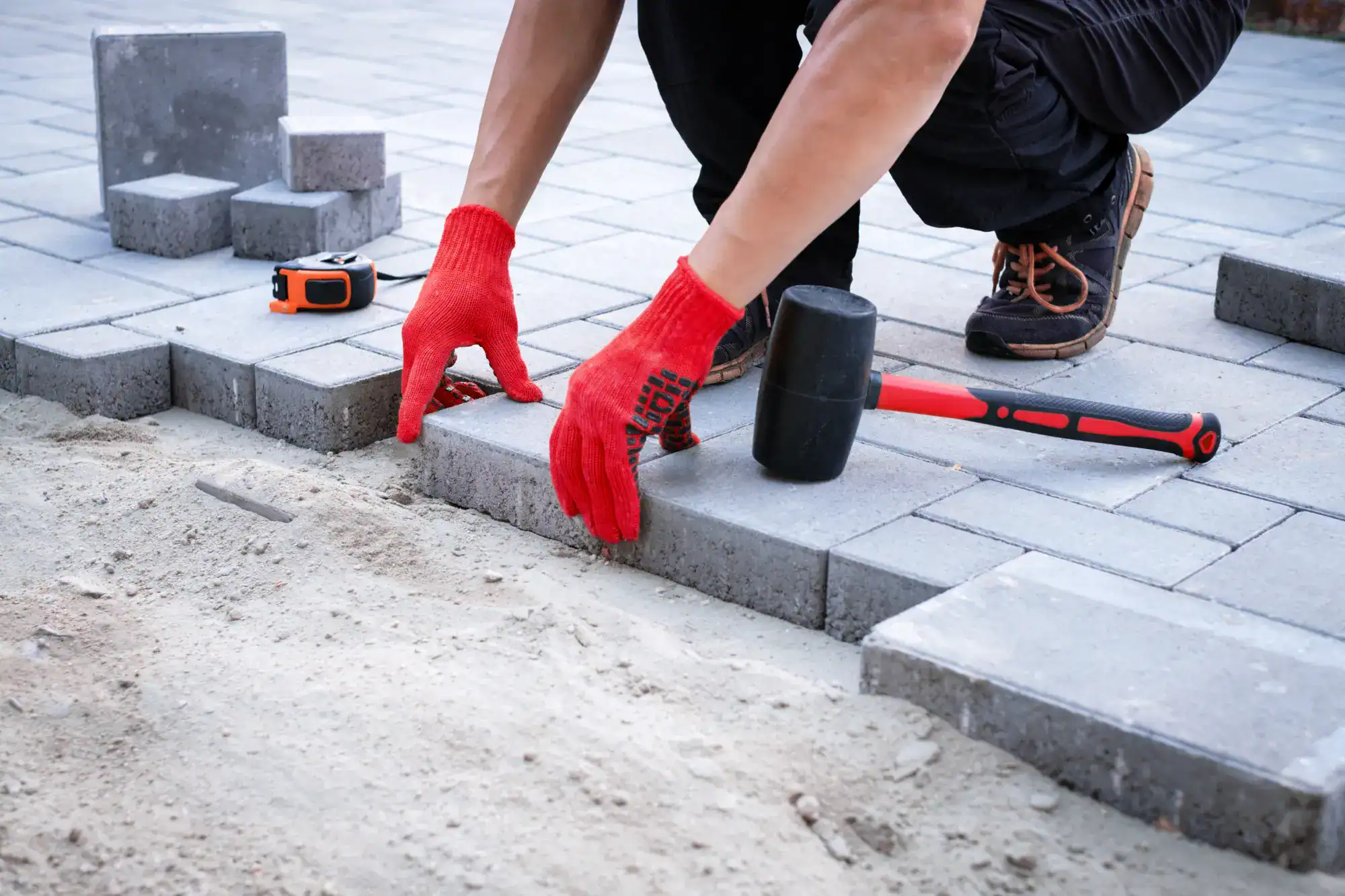
A person in red gloves and black work boots, likely a masonry contractor Nassau County, is laying gray pavers on sand with a rubber mallet and tape measure, working diligently on constructing a paved walkway or patio.

Ready to get started?

Explore More Services

About Raffaele Outdoor Concepts

Get a Free Consultation

Brick Paver Patio Williston Park

What's Included in Your Installation

Every paver installation includes proper excavation, quality base preparation, professional-grade edge restraints, and polymeric sand joint filling. We don’t charge extra for doing the job right.

Williston Park’s clay-heavy soil requires specific techniques to prevent settling and drainage issues. We account for this in our excavation depth and base preparation—details that matter when you’re dealing with Long Island’s freeze-thaw cycles.

You also get design consultation to choose patterns and materials that work with your property’s architecture and your family’s needs. Whether you want classic brick pavers, modern concrete options, or natural stone, we help you select materials that perform well in Nassau County’s climate.

All work meets ICPI industry standards and comes with our commitment to quality. We’re licensed, insured, and have the experience to handle permits and inspections when needed.
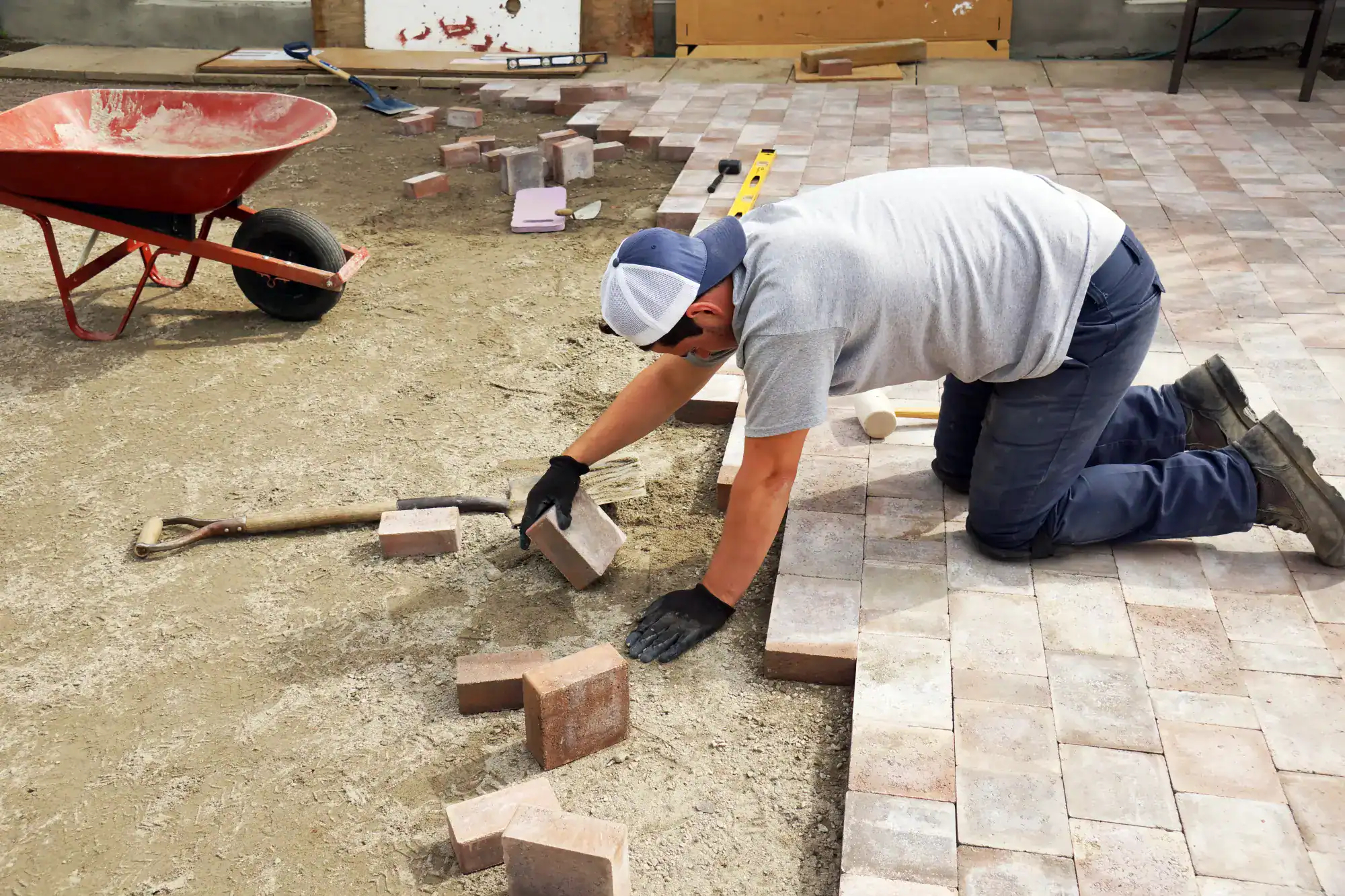
A masonry contractor Nassau County, NY kneels on the ground, wearing gloves and a cap, carefully placing brick pavers for a patio. Nearby, a wheelbarrow, shovel, and spirit level rest on the unfinished surface.

How long do pavers last in Williston Park's climate?

Quality pavers properly installed can last 20-50 years, with some materials like travertine lasting over 100 years with regular maintenance. The key is proper installation that accounts for Long Island’s weather patterns. Nassau County’s freeze-thaw cycles are hard on any outdoor surface, but pavers actually handle this better than concrete because individual pieces can move slightly without cracking. The base preparation and drainage are what determine longevity—not just the pavers themselves. We see pavers we installed 15-20 years ago still looking great because we did the excavation and base work properly from the start. Shortcuts during installation are what lead to problems down the road.
Late fall through winter is actually ideal for paver installation. The cooler, wetter weather helps us perfect the foundation work, and you’ll often find better pricing during the slower season. Many people think spring is the only time for outdoor projects, but that’s when everyone’s busy and costs are highest. Winter installation means we can take more time with the critical base preparation without rushing to beat summer heat. The pavers themselves aren’t affected by installation temperature—it’s the excavation and base work that benefits from cooler conditions. Plus, your project is ready to enjoy as soon as warm weather returns.
Proper excavation depth and quality base materials are the foundation of stable pavers. We excavate 6-12 inches deep depending on soil conditions and intended use, then build up with compacted crushed stone—not sand or cheap alternatives. Edge restraints are crucial but often overlooked. We install commercial-grade restraints that actually hold pavers in place through freeze-thaw cycles and ground movement. Plastic edging with spikes doesn’t work in Nassau County’s soil conditions. Drainage is the third critical factor. We grade for proper water flow and address any existing drainage issues before installation. Water pooling under pavers is what causes most settling and shifting problems.
Properly installed pavers need minimal maintenance. Annual cleaning with a pressure washer removes dirt and debris, and resealing every 3-5 years protects against staining and weather damage. The polymeric sand in joints may need occasional touch-ups, especially after harsh winters. This is normal and easy to address—just sweep in new sand and activate with water. It’s much simpler than repairing cracked concrete. We provide specific maintenance guidelines for your paver type and local conditions. Most Williston Park homeowners find paver maintenance easier than caring for concrete or asphalt surfaces.
Paver installation typically ranges from $15-25 per square foot for quality work in Nassau County, depending on materials, site conditions, and project complexity. A standard 280-square-foot patio averages $3,800-$7,000. Pricing depends on excavation requirements, base depth needed for your soil type, paver selection, and any drainage work required. We provide detailed estimates that break down all costs so you know exactly what you’re getting. Remember that proper installation costs more upfront but saves money long-term. Cheap installations often need repairs within a few years, while quality work lasts decades with minimal maintenance.
Sometimes, but it depends on the concrete’s condition and your specific situation. The existing concrete needs to be structurally sound, properly sloped for drainage, and at the right height for your project. If the concrete is cracked, settling, or has drainage issues, it’s better to remove it and start fresh. Using compromised concrete as a base often leads to problems later—the pavers will only be as stable as what’s underneath. We evaluate each situation individually and recommend the approach that gives you the best long-term results. Sometimes overlay works great, other times proper excavation and base preparation is the smarter investment.