Masonry Contractor in East Meadow, NY

Your Property Deserves Better Than Quick Fixes

We’re a professional masonry contractor in East Meadow, NY specializing in brick repair, stone veneer, and custom outdoor construction that actually lasts.
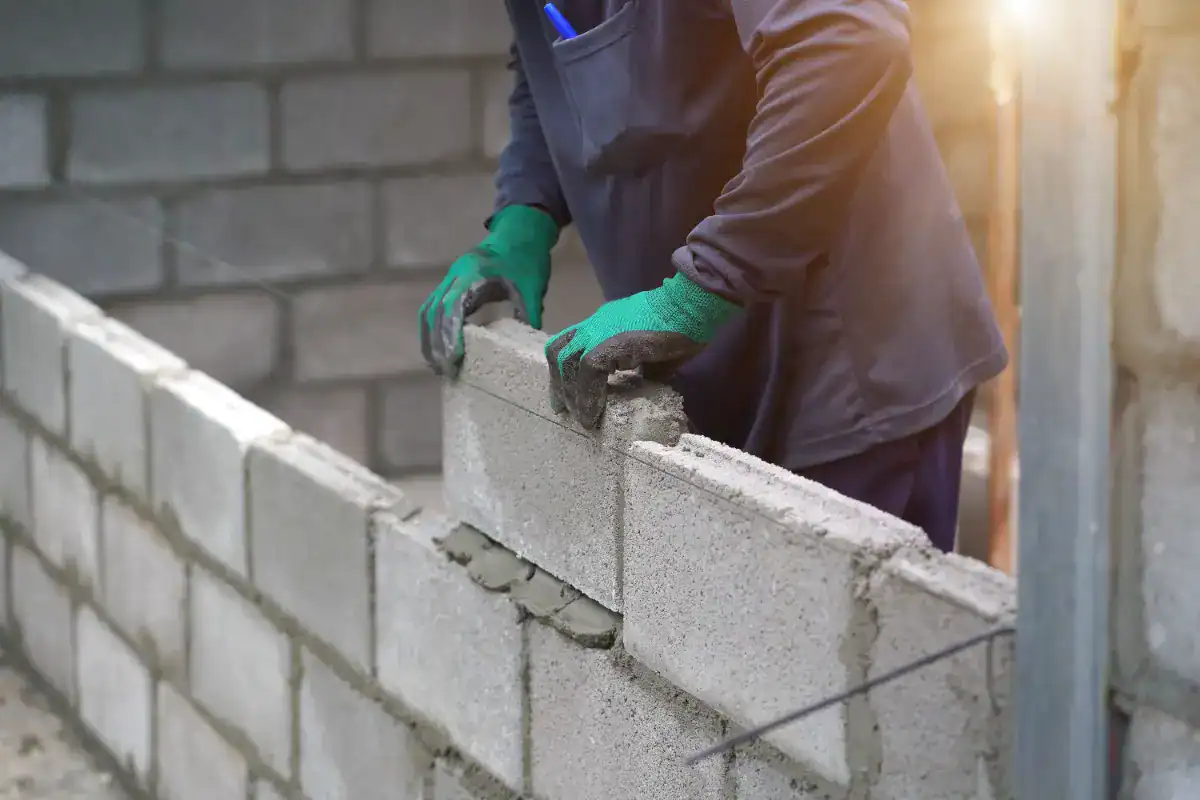
A masonry contractor Nassau County, NY, wearing green gloves and a dark outfit is laying concrete blocks to build a wall, with sunlight shining in the background.

Hear from Our Customers

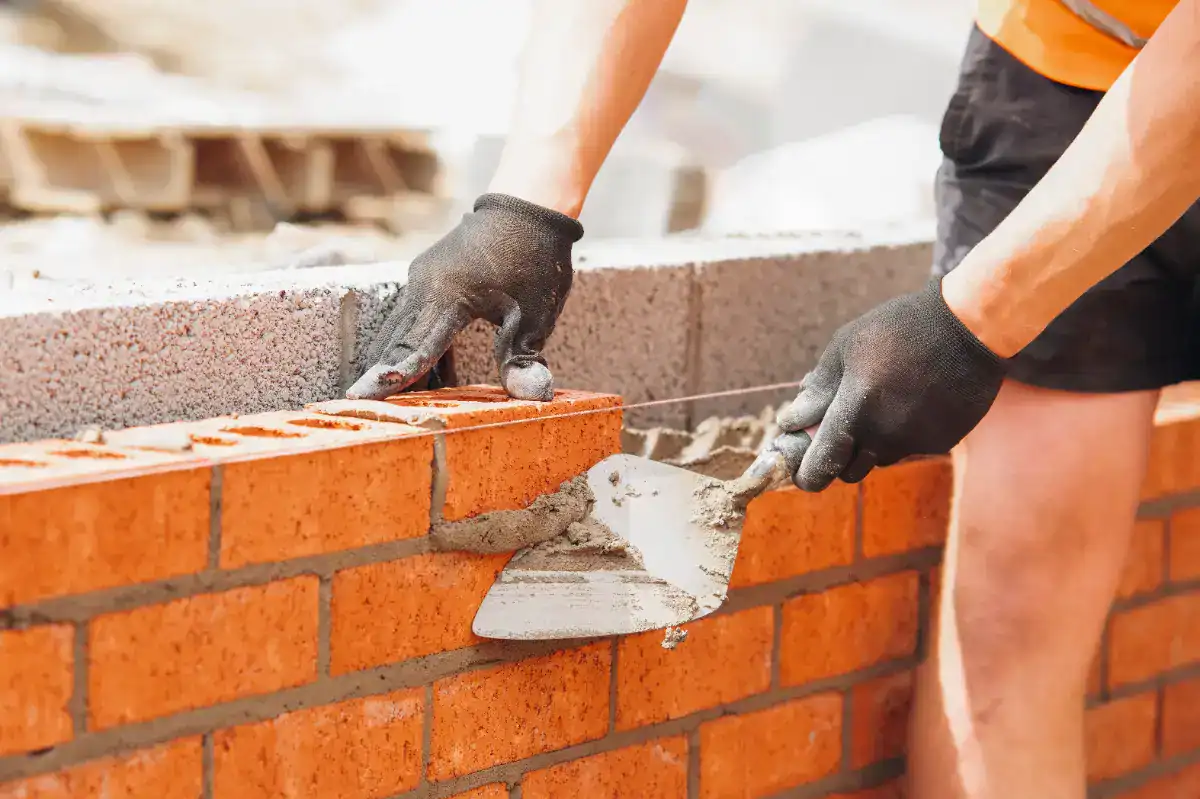
A person wearing black gloves uses a trowel to spread mortar on red bricks while constructing a brick wall. A string line ensures the wall is straight—a common scene for an expert masonry contractor Nassau County, NY.

Masonry Services East Meadow NY

What Proper Masonry Work Actually Gets You

You’re not just getting repairs—you’re getting peace of mind. When moisture starts breaking down your brick and mortar, it’s not just cosmetic. It’s structural. And in East Meadow’s climate, that deterioration happens faster than most homeowners realize.

Professional masonry work stops the damage before it becomes expensive. Your home’s foundation stays solid. Your outdoor spaces become functional again. And your property value—already substantial in East Meadow’s competitive market—gets protected instead of eroded by neglect.

The difference shows up in your monthly stress level, your long-term maintenance costs, and what happens when you’re ready to sell.

East Meadow Masonry Experts

We've Been Doing This Since 1998

We’ve spent over 25 years perfecting masonry work across Nassau County. We understand what East Meadow’s weather does to brick and stone. We know which materials hold up and which ones don’t.

Most importantly, we know the difference between a quick patch job and work that actually solves the problem. When East Meadow homeowners call us, it’s usually because they’ve tried the cheaper option first. We fix what didn’t work the first time.

East Meadow’s housing market is strong—median home prices hit $755,000 this year. That’s a serious investment worth protecting with serious craftsmanship.
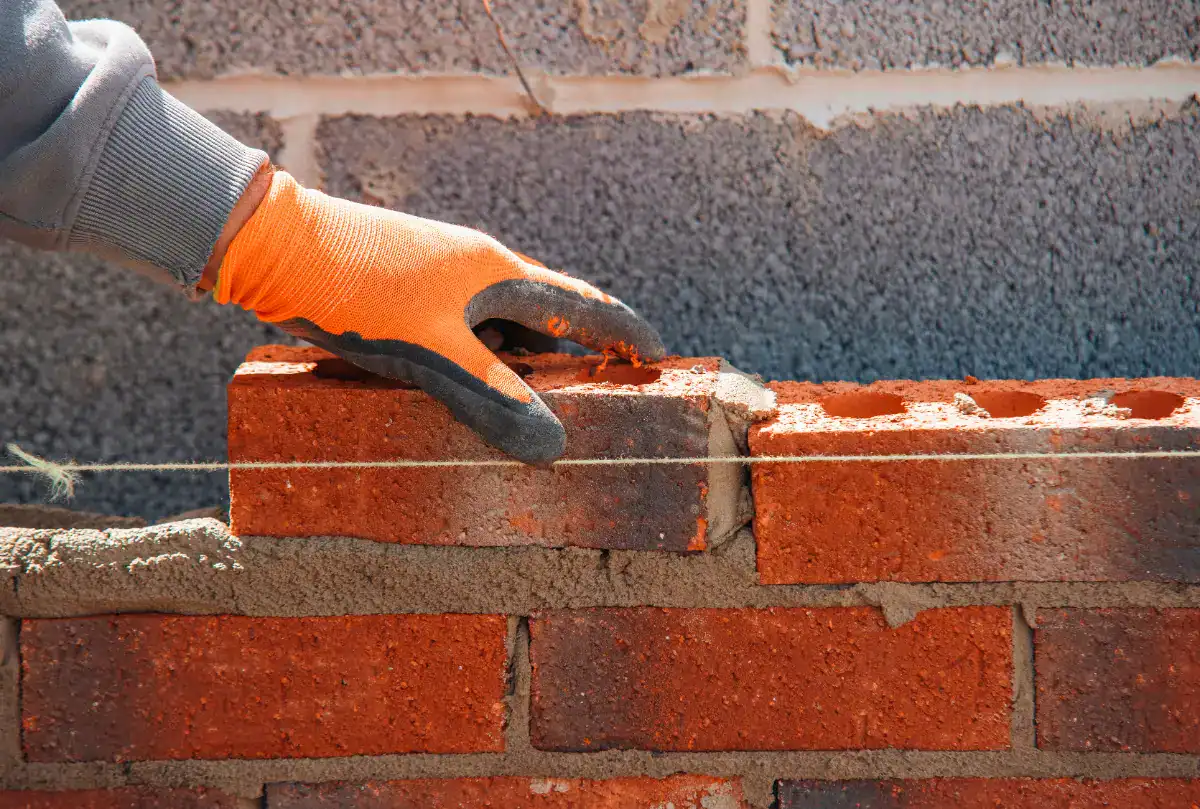
A person wearing an orange work glove places a red brick onto wet mortar in a brick wall, using a taut string for alignment—showcasing the skill of a masonry contractor Nassau County.

Masonry Process East Meadow NY

Here's How We Handle Your Project

First, we assess what’s actually wrong. Not what it looks like on the surface, but what’s causing the problem. Moisture damage, settling, poor original installation—we identify the root cause before we start work.

Next, we explain exactly what needs to happen and why. You’ll understand the process, the timeline, and what materials we’re using. No surprises, no change orders unless you request them.

Then we do the work. Our crew shows up when scheduled, works efficiently, and cleans up daily. We handle everything from permits to final inspection. You get updates throughout the process, and we don’t consider the job complete until you’re satisfied with the results.
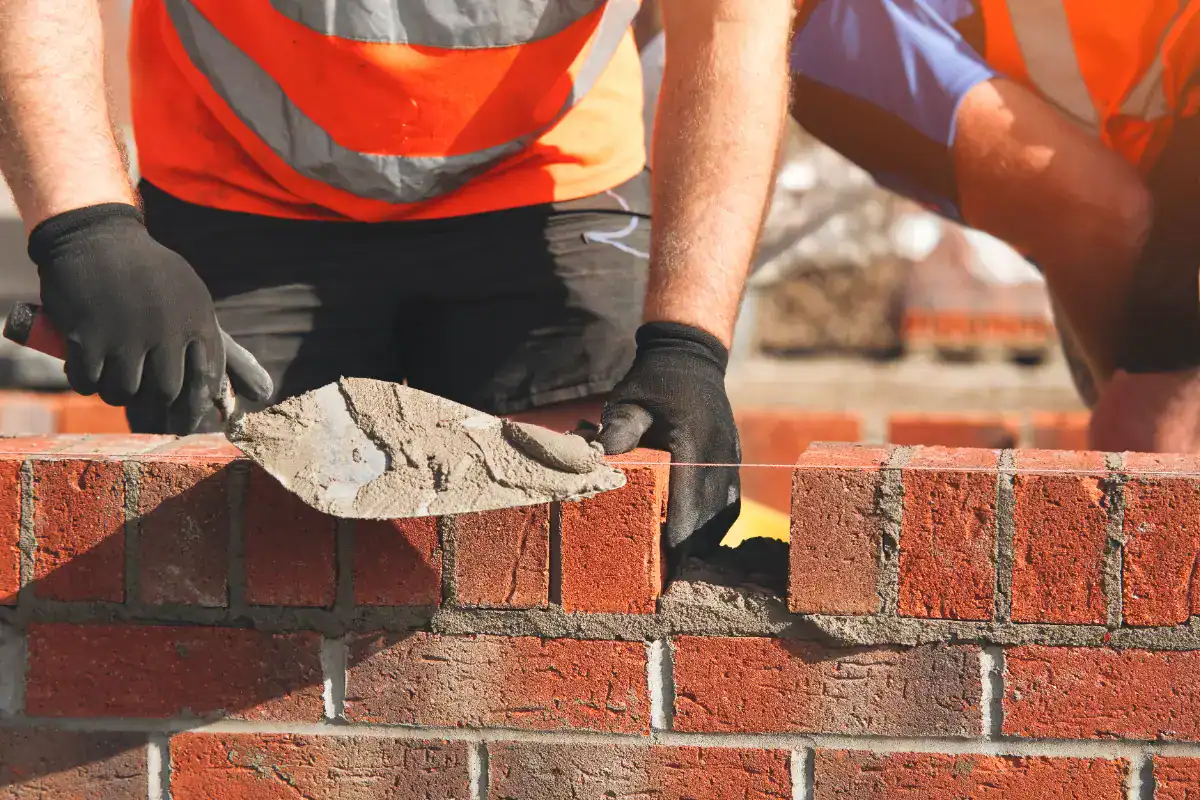
A construction worker wearing gloves and an orange vest uses a trowel to spread mortar on a brick wall—typical of a skilled masonry contractor Nassau County trusts. Another worker is visible in the background.

Ready to get started?

Explore More Services

About Raffaele Outdoor Concepts

Get a Free Consultation

Masonry Construction East Meadow NY

What's Actually Included in Professional Masonry Work

Real masonry service covers more than just laying brick. We handle structural repairs, moisture management, and proper foundation work. That means repointing mortar, replacing damaged brick, installing proper drainage, and waterproofing where needed.

For East Meadow properties, we also address the specific challenges of Long Island’s climate. Salt air, freeze-thaw cycles, and heavy rainfall all affect masonry differently than in other regions. We use materials rated for these conditions and install them according to local building codes.

Custom work includes outdoor kitchens, fire pits, retaining walls, and decorative stonework. Each project gets engineered properly for East Meadow’s soil conditions and building requirements. We’re not just making it look good—we’re making it last.
A masonry contractor Nassau County uses a trowel to carefully build a sturdy brick wall in NY.

How do I know if my East Meadow home needs masonry repair?

Look for white staining on brick (efflorescence), cracked or crumbling mortar, or loose bricks. These are signs that moisture is getting behind your masonry and breaking it down from the inside. In East Meadow’s climate, this damage accelerates quickly. What starts as a small crack can become a structural problem within a few seasons. If you can see daylight through mortar joints or if bricks move when you push on them, you need professional assessment immediately. Don’t wait until chunks of brick start falling off. Early intervention costs a fraction of what full reconstruction runs.
Repointing removes old, damaged mortar and replaces it with new mortar that matches the original. It’s what you need when the bricks are still solid but the mortar has deteriorated. This is the most common repair for East Meadow homes built in the 1950s and 1960s. Replacement becomes necessary when the bricks themselves are damaged, cracked, or structurally compromised. This typically happens when moisture damage has been ignored for years, or when the original construction was substandard. A professional assessment determines which approach your property needs. Repointing costs significantly less than replacement, but only works if the underlying structure is sound.
Most residential masonry repairs take 3-7 days, depending on the extent of damage and weather conditions. Simple repointing jobs might finish in 2-3 days, while structural repairs or custom construction can take 1-2 weeks. Weather affects the timeline significantly. Mortar needs proper curing time, which means we can’t work in freezing temperatures or during heavy rain. We schedule East Meadow projects to account for Long Island’s weather patterns. We provide realistic timelines upfront and keep you updated if conditions change. Rush jobs usually mean compromised quality, so we build adequate time into every project schedule.
Most masonry repairs don’t require permits, but structural work, new construction, and anything affecting your home’s foundation typically does. East Meadow follows Nassau County building codes, which are stricter than many other areas. We handle permit applications for projects that need them. This includes structural repairs, retaining walls over 4 feet, and any work that affects your home’s load-bearing elements. Outdoor kitchens and fire pits also require permits and inspections. Working without proper permits can create problems when you sell your home. Insurance companies may also deny claims for unpermitted work. We make sure everything is documented correctly from the start.
Repointing typically runs $8-15 per square foot, depending on the condition of existing mortar and accessibility. Brick replacement costs $15-25 per square foot for standard materials. Custom stonework and outdoor construction projects vary significantly based on design complexity and material choices. East Meadow’s high property values justify investing in quality materials and proper installation. Cheap repairs often fail within a few years, especially in Long Island’s harsh climate. We provide detailed estimates that break down material and labor costs. Most homeowners find that professional masonry work pays for itself through increased property value and avoided future repairs. We can discuss financing options for larger projects.
Yes, we specialize in matching existing materials for East Meadow’s older homes. This requires analyzing the original brick composition, mortar color, and joint profile to achieve a seamless repair. Many East Meadow homes were built with specific brick types that are no longer manufactured. We source reclaimed brick when possible, or find modern alternatives that match the color, texture, and size of your existing masonry. Mortar matching is equally important. We test samples to match both color and strength. Using mortar that’s too hard can actually damage older brick, while mortar that’s too soft won’t provide adequate protection. Getting this balance right requires experience with historic masonry techniques.