Masonry Contractor in University Gardens, NY

Transform Your Outdoor Space Into Something Extraordinary

Quality masonry work that enhances your property value and stands up to Long Island’s demanding climate.
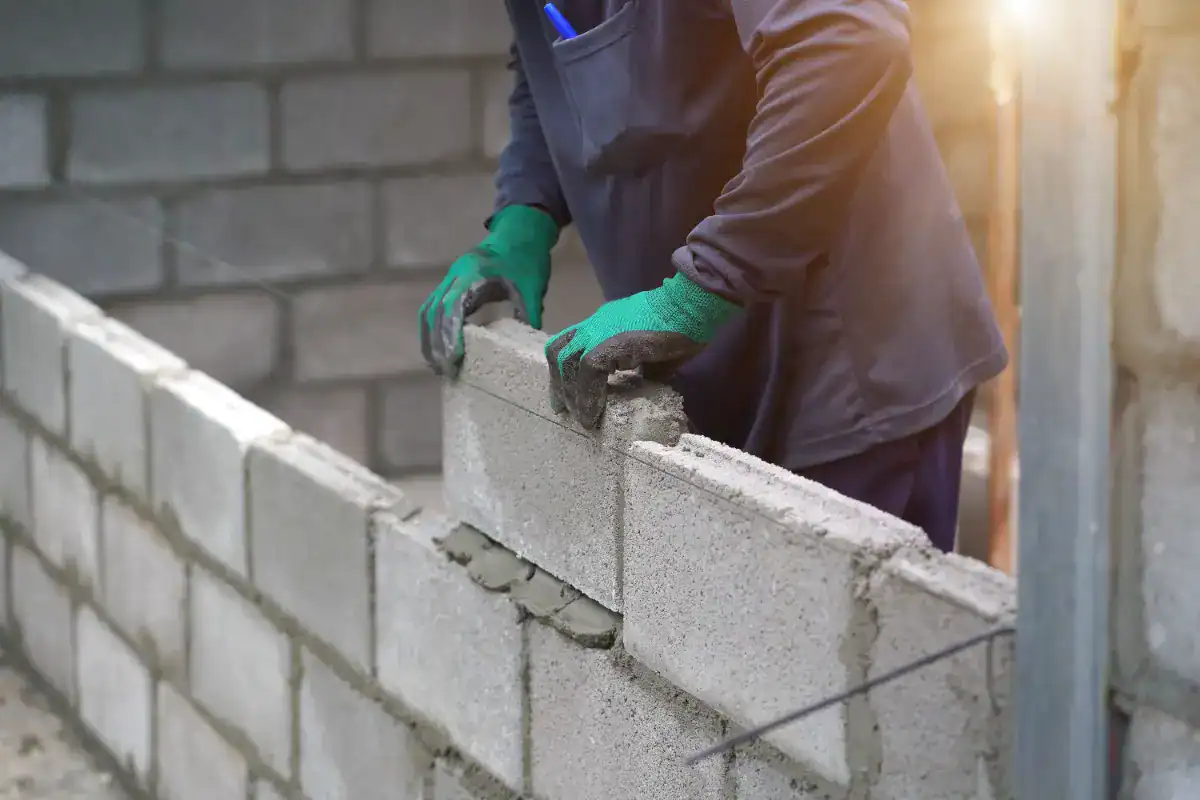
A masonry contractor Nassau County, NY, wearing green gloves and a dark outfit is laying concrete blocks to build a wall, with sunlight shining in the background.

Hear from Our Customers

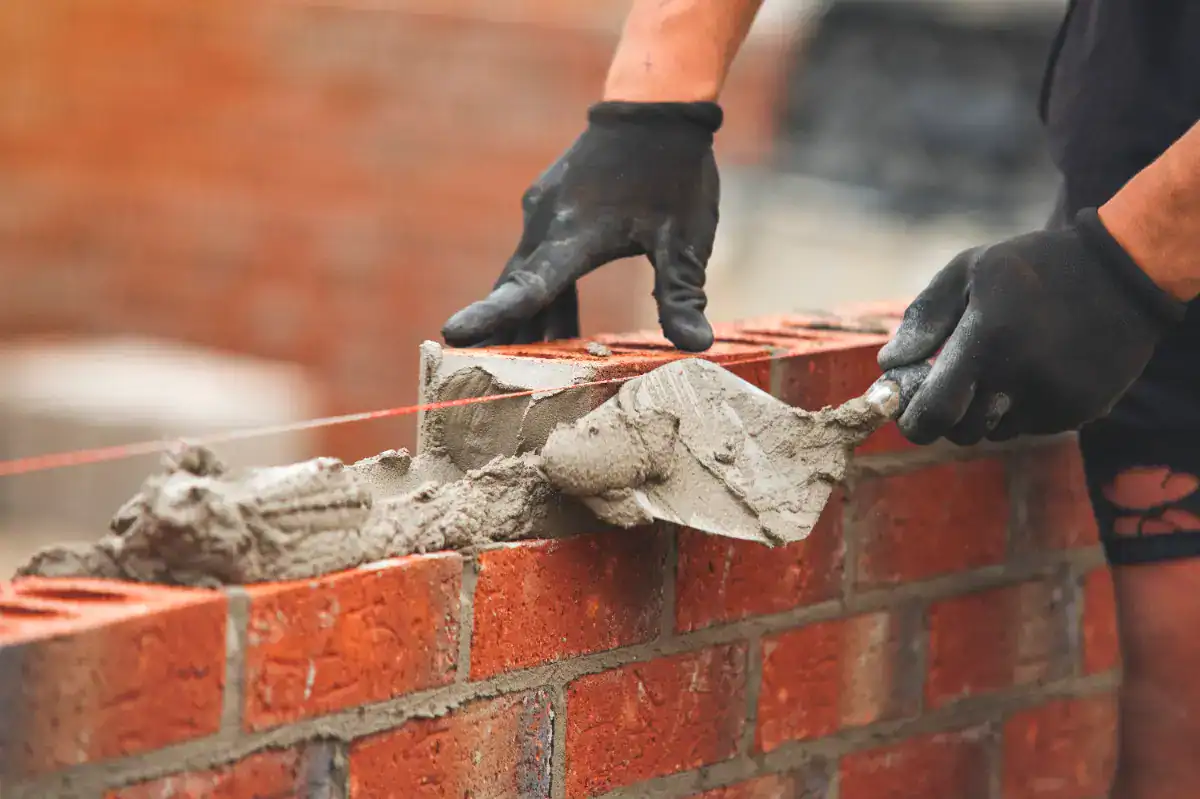
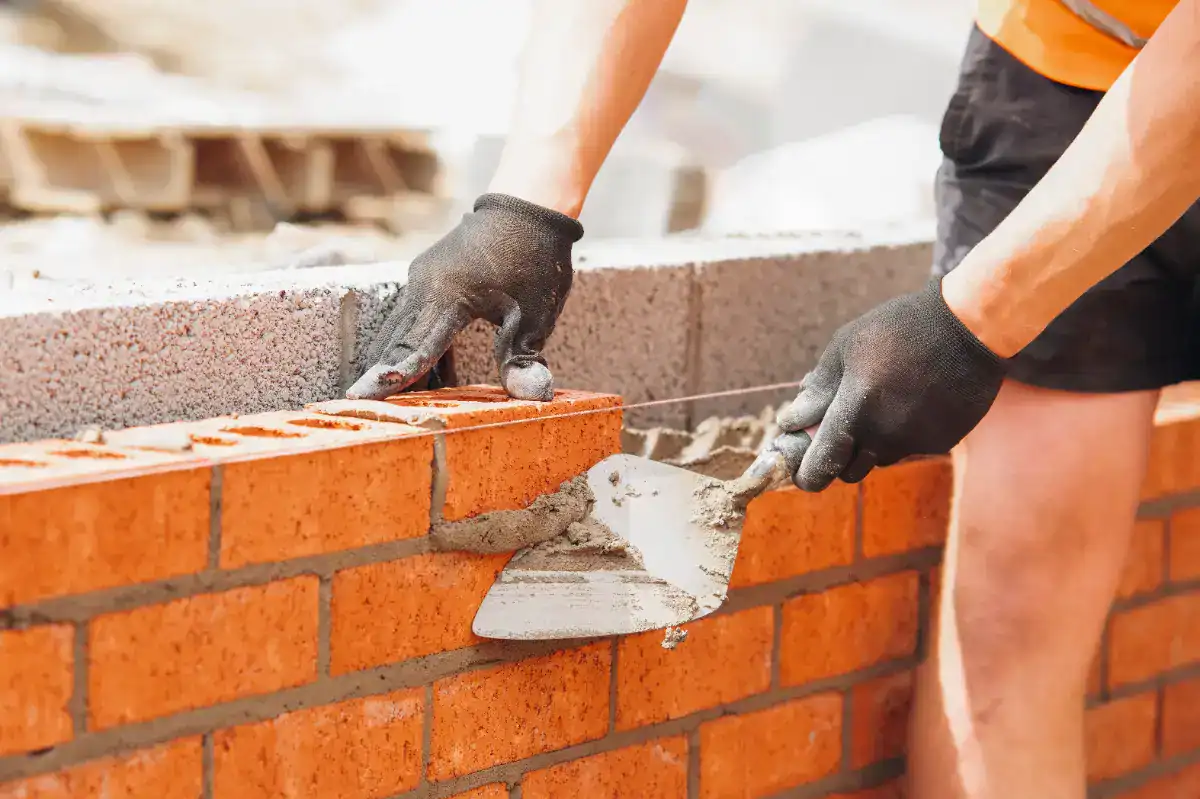
A person wearing black gloves uses a trowel to spread mortar on red bricks while constructing a brick wall. A string line ensures the wall is straight—a common scene for an expert masonry contractor Nassau County, NY.

Professional Masonry Services University Gardens

Your Property Becomes the Neighborhood Showpiece

Picture stepping out to a custom stone patio that draws compliments from every visitor. Your property value climbs because of expertly crafted brick and stone work that actually lasts decades, not just months.

You get peace of mind knowing your outdoor spaces are built right. Our 25+ years of Long Island experience means we understand exactly what this climate throws at masonry work. We build to handle freeze-thaw cycles, salt air, and everything else this region dishes out.

When we’re finished, you have outdoor spaces that work the way you live. Whether that’s entertaining guests around a custom fire pit, enjoying morning coffee on a perfectly level paver patio, or simply knowing your home’s masonry will look great for years to come.

University Gardens Masonry Experts

The Local Masonry Contractor Your Neighbors Recommend

We’ve been serving University Gardens and the greater Long Island area for over 25 years. We’re the masonry contractor your neighbors recommend because we actually understand what works in this climate and what doesn’t.

We’ve handled every type of masonry challenge Long Island can throw at a property. From coastal salt air damage to foundation settling issues, we know how to build outdoor structures that stay beautiful for decades. Our specialty is outdoor entertainment spaces, but we handle everything from simple brick repairs to complete landscape transformations.

What sets us apart is straightforward: we care about getting it right the first time. No cutting corners, no rushing through jobs to get to the next one. Every project gets the same attention to detail, whether it’s a small paver walkway or a complete outdoor kitchen installation.
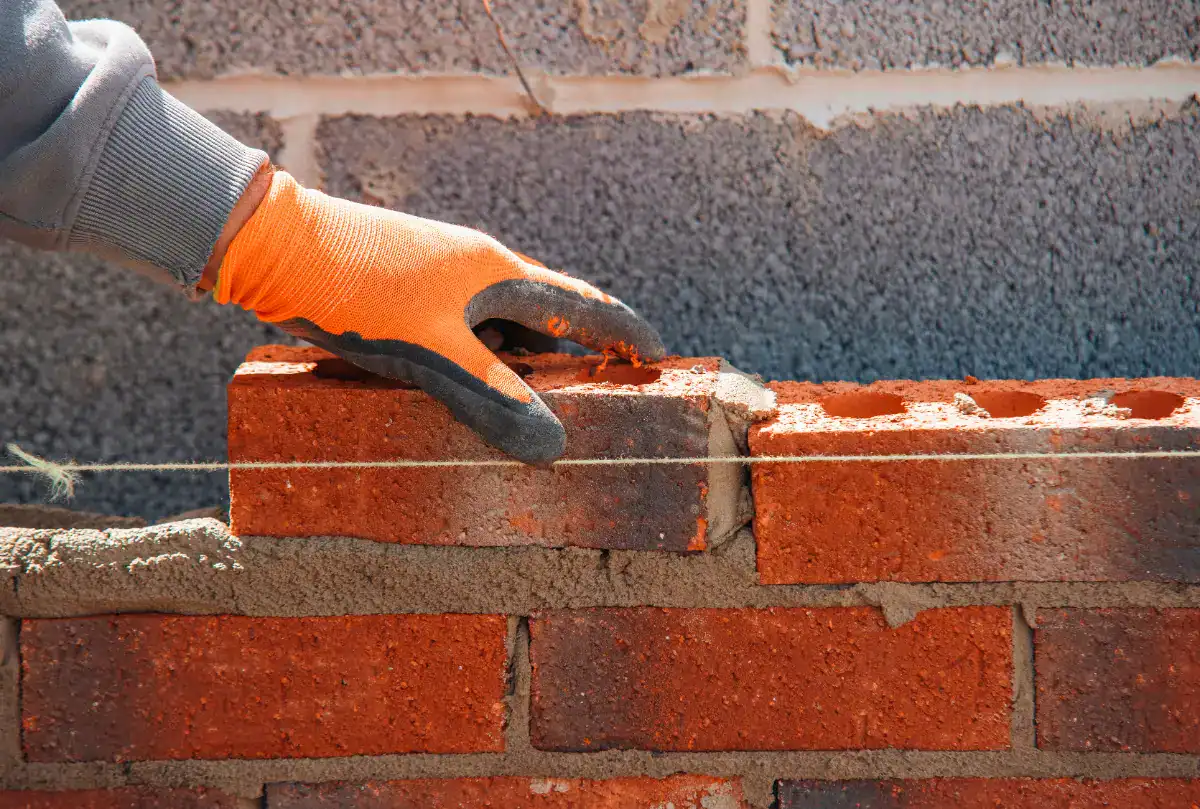
A person wearing an orange work glove places a red brick onto wet mortar in a brick wall, using a taut string for alignment—showcasing the skill of a masonry contractor Nassau County.

Masonry Construction Process University Gardens

Our Proven Process Delivers Results Every Time

We start with a consultation at your property. No generic estimates or cookie-cutter solutions. We walk your space, listen to how you want to use it, and discuss what’s realistic for your budget and timeline. You get honest feedback about what works and what doesn’t.

Next comes the detailed proposal. We break down exactly what we’ll do, what materials we’ll use, and how long it will take. No surprises, no hidden costs. If you approve, we schedule the work around your life, not the other way around.

During construction, we keep your property clean and organized. We know you’re still living there, so we minimize disruption while maximizing progress. You always know what’s happening and when. We handle permits, inspections, and all the details that trip up other contractors.

When we finish, we walk the completed project with you to make sure everything meets your expectations. Then we clean up completely—your property looks better than when we started, not just because of the new masonry work.
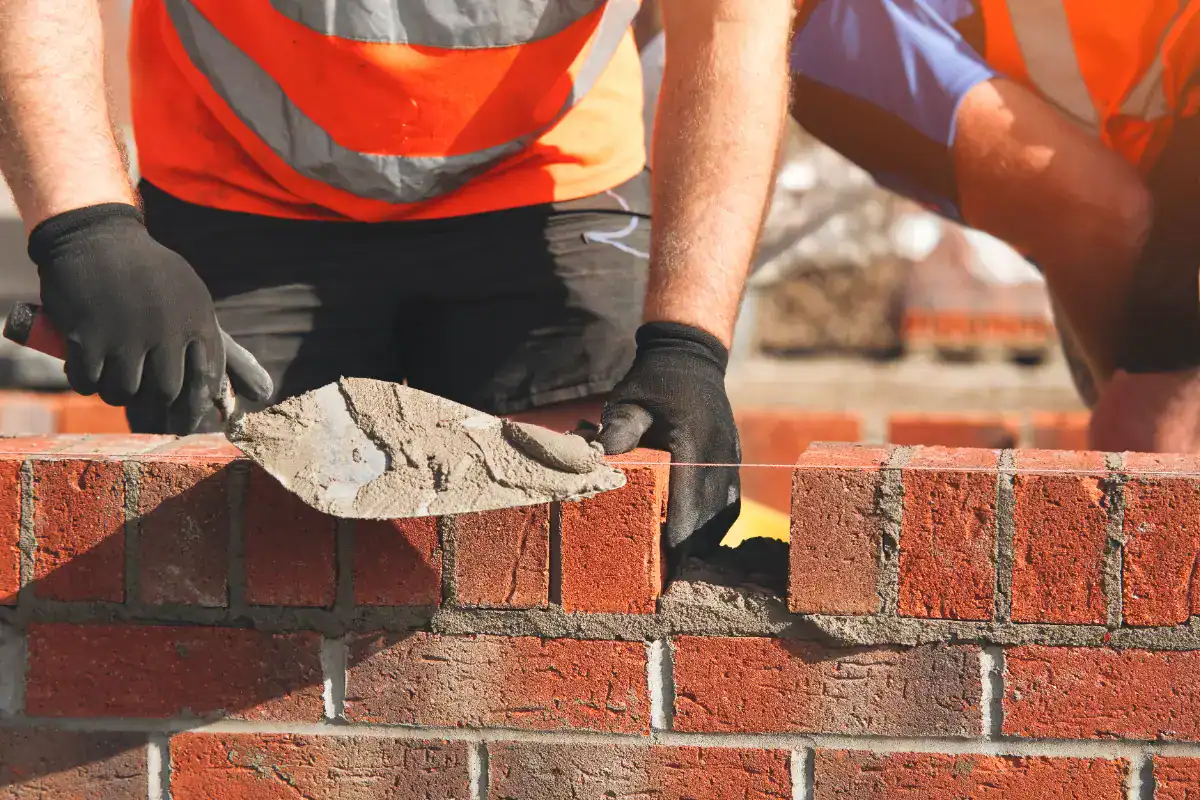
A construction worker wearing gloves and an orange vest uses a trowel to spread mortar on a brick wall—typical of a skilled masonry contractor Nassau County trusts. Another worker is visible in the background.

Ready to get started?

Explore More Services

About Raffaele Outdoor Concepts

Get a Free Consultation

Complete Masonry Services University Gardens

Everything You Need for Long-Lasting Outdoor Masonry

Our masonry services cover everything from basic repairs to complete outdoor transformations. We handle brick and stone veneer, custom paver installations, retaining walls, outdoor kitchens, fire pits, and walkways. Each project uses materials specifically chosen for Long Island’s climate conditions.

For University Gardens homeowners, we understand the unique challenges of coastal proximity and varying soil conditions. Our stone selection accounts for salt air exposure, and our installation techniques prevent the settling and cracking issues common in this area. We work with natural stone, manufactured pavers, brick, and concrete—whatever best fits your project and budget.

What makes our service comprehensive is attention to details other contractors miss. Proper drainage, appropriate base preparation, and climate-appropriate materials aren’t extras—they’re standard. We also handle the permit process for larger projects and coordinate with other trades when needed.

Every project includes a detailed warranty on both materials and workmanship. We stand behind our work because we build it to last, not just to look good for the first few months.
A masonry contractor Nassau County uses a trowel to carefully build a sturdy brick wall in NY.

How long does masonry work typically take in University Gardens?

Most residential masonry projects take 3-10 days, depending on size and complexity. A simple paver patio might be done in a long weekend, while a complete outdoor kitchen with retaining walls could take two weeks. Weather plays a role—we don’t work in rain or when temperatures drop below freezing, which can happen unexpectedly on Long Island. The key is proper planning. We schedule projects with buffer time built in, so you’re not left with half-finished work if weather doesn’t cooperate. For larger projects, we break the work into phases so you’re not dealing with construction chaos for weeks at a time. We always give you realistic timelines upfront, not optimistic estimates that leave you frustrated when the work takes longer than promised.
Long Island’s climate demands materials that handle freeze-thaw cycles, salt air, and significant temperature swings. Natural stone like bluestone and granite perform exceptionally well here—they’re dense enough to resist water penetration and strong enough to handle thermal expansion. For pavers, we recommend concrete pavers over clay brick in most situations. They’re engineered to handle moisture better and come in styles that look just as good as natural materials. The key is proper installation with appropriate base materials and drainage—even the best materials fail if they’re not installed correctly. We avoid materials that are popular in other climates but don’t work here. Certain imported stones and decorative bricks look great initially but deteriorate quickly in coastal conditions. Our material selection is based on 25+ years of seeing what actually lasts in this environment.
Masonry costs vary significantly based on materials, project size, and site conditions. A basic paver patio might start around $15-20 per square foot, while custom stonework or complex outdoor kitchens can run $50-100+ per square foot. The wide range reflects the difference between simple installations and complex custom work. What drives costs up are site challenges like poor drainage, difficult access, or extensive excavation needs. What drives costs down are straightforward installations with good site conditions and standard materials. We always provide detailed estimates that break down material and labor costs so you understand exactly what you’re paying for. The best value comes from doing the work right the first time. Cheap masonry work often needs repairs or replacement within a few years, making it more expensive long-term than quality work that lasts decades.
Most decorative masonry work like patios, walkways, and fire pits doesn’t require permits in University Gardens. However, structural work like retaining walls over 4 feet, outdoor kitchens with gas lines, or work that affects drainage patterns typically does require permits and inspections. We handle the permit process when needed—it’s part of our service, not an extra charge. We know the local requirements and have established relationships with the building department, which speeds up the approval process. Trying to navigate permits yourself often takes longer and creates delays. The key is getting this figured out before work starts. Nothing’s worse than having to stop a project mid-construction because of permit issues. We review permit requirements during our initial consultation so there are no surprises later.
Proper maintenance keeps masonry looking great and functioning properly for decades. For pavers, annual cleaning and re-sanding joints prevent weed growth and maintain stability. Power washing works well, but avoid using sealers unless specifically needed—they often create more problems than they solve in Long Island’s climate. Natural stone needs minimal maintenance beyond occasional cleaning. Check for loose mortar joints annually and address small issues before they become big problems. Winter salt can stain some stones, so rinse surfaces in spring if you’ve had heavy salt exposure. The most important maintenance is keeping drainage working properly. Clogged drains or settled areas that hold water cause most masonry problems. We design our installations with proper drainage, but leaves, debris, and settling can affect drainage over time.
Repair makes sense when the underlying structure is sound but surface materials are damaged. Repointing mortar joints, replacing individual pavers, or fixing small cracks are typical repair situations. Repairs cost less upfront but may need to be repeated if underlying issues aren’t addressed. Replacement becomes necessary when the base has failed, drainage problems have caused extensive damage, or the existing work was done poorly initially. Sometimes what looks like a simple repair reveals bigger problems once we start working. We always assess the full situation before recommending repair versus replacement. The decision often comes down to long-term value. Spending money on repairs for work that’s fundamentally flawed usually doesn’t make financial sense. We’ll give you honest feedback about whether repair or replacement makes more sense for your specific situation.